
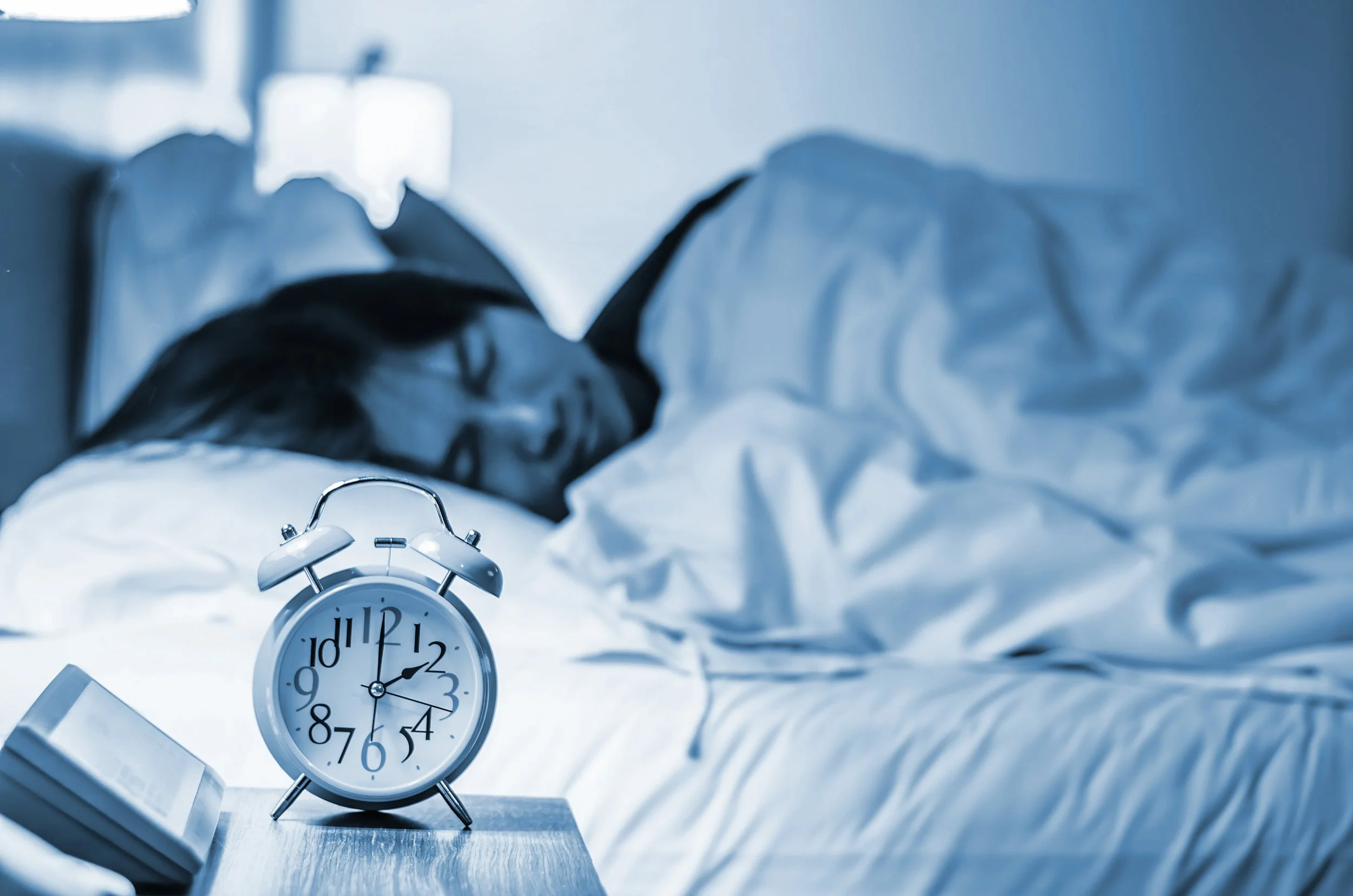
Insomnia
Understand what’s keeping you awake — and support a path to automatic sleep
Holistic & Root Cause Approach
As a holistic energy practitioner, I focus on uncovering the root causes of both health and emotional challenges, taking a broader and more interconnected perspective than most conventional approaches.
The aim of this article is to provide an overview of insomnia, exploring some of the hidden underlying emotional, mental, and energetic factors that may contribute to it. By bringing greater awareness to these factors, my hope is that you can begin to make more sense of your symptoms and gain insight into the areas that may require support.
This post is designed to help you approach your health holistically, with a deeper understanding of potential emotional root causes and the steps that can help address them.

Understanding Insomnia
Insomnia affects the ability to initiate and maintain restful sleep, including falling asleep, staying asleep, and achieving restorative rest. Consistent, restorative sleep is essential for supporting physical health, mental focus, emotional regulation, and overall energy levels.
Insomnia is often influenced by emotional and mental stress, including ongoing worry, overthinking, nervous system dysregulation, or difficulty switching off. When the mind remains alert or the body stays in a heightened state of tension, natural sleep rhythms can become disrupted.
Understanding the factors that may be contributing to sleep disturbance and taking proactive, supportive steps is an important part of moving toward more restorative rest and improved overall well-being.
Challenges of Poor Sleep
When sleep is disrupted, the effects go far beyond feeling tired. Emotional balance, mental clarity, and daily routines can all be impacted, creating ripple effects in work, relationships, and overall quality of life.
Some common emotional and lifestyle impacts include:
Heightened Stress and Anxiety: Racing thoughts, worry, or tension at night can make it harder to fall asleep and carry over into daytime stress.
Irritability and Emotional Sensitivity: Poor sleep can make small frustrations feel overwhelming, affecting mood and interactions with others.
Reduced Motivation and Productivity: Fatigue can make it harder to focus, complete tasks, or stay on top of responsibilities.
Social Withdrawal: Low energy or self-consciousness about appearing tired may lead to avoiding social events or commitments.
Difficulty Coping with Daily Life: Even routine challenges may feel more taxing, and decision-making or problem-solving can suffer.
Relationship Strain: Sleep deprivation can reduce patience, empathy, and emotional availability, creating tension with partners, family, or colleagues.
These experiences are normal, and struggling with them does not mean something is “wrong” with you—it often indicates that something is stuck energetically or emotionally. Facing these issues early can help prevent further impact on quality of life.

Signs and Symptoms of Poor Sleep
When energy is blocked or sleep is disrupted, you may notice one or more of the following:
Early morning waking and inability to return to sleep
Waking frequently during the night
Restless or non-restorative sleep
Feeling tired or groggy despite sufficient time in bed
Racing thoughts or mental hyperactivity at night
Daytime fatigue, low energy, or reduced focus
Mental and Emotional Links to Insomnia
On a psychosomatic level, insomnia often reflects trapped emotions, unresolved stress, and tension in the body and mind. Sleep disturbances can mirror how we process worry, fear, or pressure, and how freely life energy or restorative energy flows.
Common emotional patterns may include:
Imbalanced Circadian Rhythm
A disrupted circadian rhythm can block the body’s natural restorative processes, leading to difficulty falling asleep, frequent awakenings, non-restorative sleep, and daytime fatigue.Overactive Nervous System
When the sympathetic (“fight or flight”) branch of the nervous system remains activated, the body struggles to transition into the restorative “rest and digest” state. This can manifest as difficulty falling asleep, waking frequently, or feeling wired even when exhausted.Racing Thoughts or Overthinking
Often linked to anxiety, worry, or feeling out of control. Psychosomatically, the mind may stay “on alert” at night, preventing the natural flow of restorative energy.Difficulty Letting Go of Stress & Tension
Chronic tension, responsibility overload, or unresolved emotional conflicts can prevent deep relaxation, showing up as restless or non-restorative sleep.
Emotional patterns can cause trapped energy in the body, creating imbalances.
Using A.R.T (Accelerated Release Technique), we explore these emotional root causes and clear the trapped energy. Once released, the body or that area can return to a state of ease and balance.
“Results may vary. A.R.T sessions are not a substitute for medical or psychological care.”
Finding the Root Cause of Your Insomnia
Like many imbalances, insomnia can stem from multiple factors. Investigating holistically and looking at the individual as a whole is key to identifying the root cause. In many cases, trapped emotional and energetic blockages are at the heart of the issue, creating discomfort and tension in the body.
No two people are the same, and health is never one-size-fits-all. Support works best when it’s shaped around your unique experiences, lifestyle, and current challenges.
As a holistic energy practitioner using A.R.T, I can help support your body, mind, and energy back into balance. My goal is to help you regain confidence, vitality, and ease in both emotional and physical well-being.
Start your journey today—get in touch to see how A.R.T. can help restore balance and support your sexual and overall health.
Physical Health Often Has Emotional Roots
What A.R.T Can Help With:
-
Gut Health
Stomach pain
Digestive sensitivity
Bloating -
Men' Health
Erectile difficulties
Low libido
Pain while urinating -
Women's Health
Irregular periods
Hormonal imbalances
Breast Health -
Skin Health
Dry or dull skin
Skin sensitivity
Inflammation -
Energy & Vitality
Low energy or fatigue
Lack of motivation
Numbness -
Respiratory Health
Shortness of breath
Chest Tension
Tightness -
Mental Health
Stress or overwhelm
Anxiety
Negative Patterns -
Physical Injuries & Strain
Muscle weakness
Joint aches

Ready to Take the First Step Toward Your Wellbeing?
If you’re ready to release what’s stuck - let’s get started
What Clients Are Saying: